

Medicare Part D Notices Are Due By October 15
The date for distributing Medicare Part D notices is approaching.
Accurate and timely billing is an important part of benefits administration, especially for employers managing multiple locations, plans, or funding arrangements.

Accurate and timely billing is an important part of benefits administration, especially for employers managing multiple locations, plans, or funding arrangements. One of the most common challenges is ensuring that invoices are delivered to the right individuals, at the right time, with clear accountability.
Establishing a structured approach to managing billing contacts and invoice distribution can help reduce delays, improve collections, and minimize administrative confusion.
Billing processes often involve multiple stakeholders, including HR, finance teams, location administrators, and brokers. Without a clear structure for who receives invoices, organizations may experience missed payments, duplicate communications, or delays in resolving billing questions.
Centralizing how invoice recipients are defined and maintained helps ensure that billing communications are consistent and reliable.
A best practice in managing billing contacts is to clearly define responsibility for receiving invoices. Within BAS’ MyEnroll360 administrative process, each billing group or location is assigned a designated invoice recipient structure.
For example, a Primary Invoice Recipient is required for each billing group. This ensures there is always one accountable individual responsible for receiving invoices. This role must be tied to a specific individual and cannot be assigned to a shared mailbox, which helps maintain clear ownership and accountability.
In addition to the primary contact, organizations may designate Secondary Invoice Recipients. These additional recipients can include other administrators or shared mailboxes, allowing broader visibility into billing communications while still maintaining a single point of responsibility.
One of the key considerations in invoice distribution is balancing visibility with control. While it is important for multiple stakeholders to have access to billing information, too many recipients can create confusion about who is responsible for action.
Using a structured approach, such as maintaining one primary contact with optional secondary recipients, allows organizations to ensure invoices are received, provide access to relevant stakeholders and avoid duplication or conflicting actions.
Some organizations also choose to use a centralized mailbox for billing communications to support shared visibility while maintaining consistency in distribution.
Billing contacts should not be treated as static. Changes in staffing, organizational structure, or responsibilities can quickly make existing contacts outdated.
Regularly reviewing and updating invoice recipients helps prevent missed communications and ensures that invoices continue to reach the appropriate individuals. Systems like MyEnroll360 allow administrators to add, update, or replace invoice recipients as needed, supporting ongoing accuracy and control.
Importantly, maintaining continuity is essential. For example, replacing a primary contact rather than removing it entirely ensures there is never a gap in invoice delivery.
A well-defined invoice distribution process contributes to overall billing efficiency. When invoices are consistently delivered to the correct contacts, organizations can more effectively review and reconcile billing statements, respond to discrepancies, and ensure timely payment and remittance.
This structure also supports better coordination between HR, finance, and external partners, reducing the likelihood of delays or errors.
Managing billing contacts and invoice distribution is a foundational part of effective benefits administration. By establishing clear roles, maintaining accurate contact information, and using structured processes, employers can improve both efficiency and accuracy.
BAS supports employers by providing administrative processes for managing billing communications, with MyEnroll360 serving as the tool through which billing information is organized and communicated. This structured approach helps ensure that invoices are distributed consistently and that billing responsibilities are clearly defined.
For assistance with billing processes or managing invoice recipients, contact your BAS account manager or service@basusa.com.
Benefit Allocation Systems (BAS) provides online solutions for: Employee Benefits Enrollment; COBRA; Flexible Spending Accounts (FSAs); Health Reimbursement Accounts (HRAs); Leave of Absence Premium Billing (LOA); Affordable Care Act Record Keeping, Compliance & IRS Reporting (ACA); Group Insurance Premium Billing; Property & Casualty Premium Billing; and Payroll Integration.
MyEnroll360 integrates with major insurance carriers for enrollment eligibility management (e.g., Blue Cross, Blue Shield, Aetna, United Health Care, Kaiser, CIGNA and others), and with leading payroll platforms for enrollment deduction management (e.g., Workday, ADP, Paylocity, PayCor, UKG, and others).
This article is for informational purposes only and is not intended as legal, tax, or benefits advice. Readers should not rely on this information for taking (or not taking) any action relating to employment, compliance, or benefits. Always consult with a qualified professional before making decisions based on this content.
The date for distributing Medicare Part D notices is approaching.
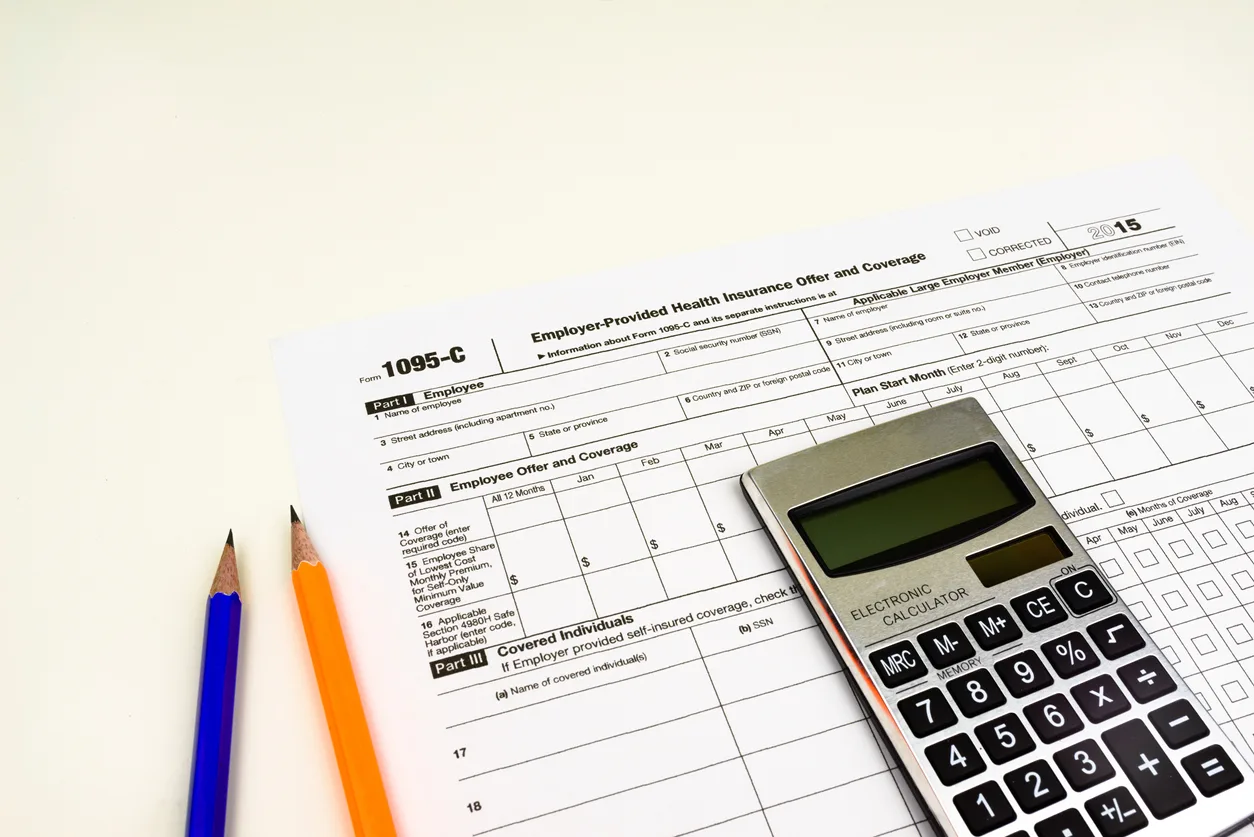
For employers with multiple related companies, understanding how the ACA treats employees who move between entities is important for accurate eligibility and reporting.

Employers should avoid making eligibility decisions based solely on the employee's relationship to the individual.