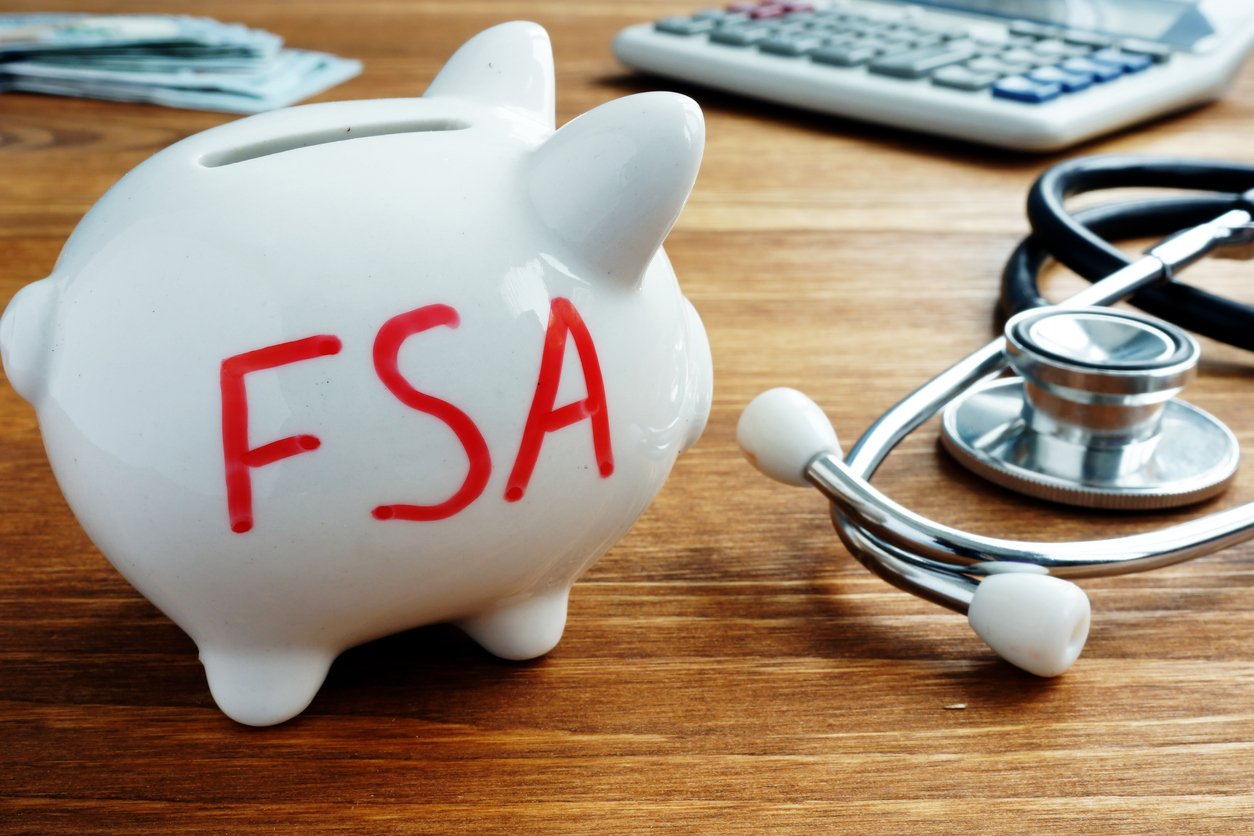
Flexible Spending Accounts (FSAs) allow employees to use pre-tax dollars to pay for eligible medical expenses. While many common health care costs qualify for reimbursement, the Internal Revenue Service (IRS) requires proper documentation to confirm that each expense meets plan requirements. Understanding what expenses are eligible and what documentation must be submitted can help employees avoid delays or denials when requesting reimbursement.
What Makes an Expense Eligible
Health care FSAs can be used for expenses that are primarily intended to diagnose, treat, mitigate, or prevent a medical condition. Common examples include doctor visits, prescription medications, dental care, vision exams, and many over-the-counter medical products.
However, not every health-related purchase qualifies. Items considered personal or for general health and wellness, such as cosmetic procedures, vitamins taken for general health, or personal care products, are generally not eligible unless they are used to treat a specific medical condition and are properly documented.
Because each plan may have specific requirements, employees should review their plan guidelines before submitting reimbursement requests.
Why a Credit Card Receipt Is Not Enough
When submitting an FSA reimbursement request, a credit card receipt alone is not sufficient documentation. While a credit card receipt may show the date of purchase, merchant name, and amount paid, it does not include the detailed information required to verify that the purchase was for an eligible medical expense.
The IRS requires itemized documentation that identifies the type of service or product, the patient receiving the service, and confirmation that the expense qualifies under the plan rules. Without this information, the reimbursement request may be delayed or denied.
What Documentation Is Required
To support an FSA reimbursement request, employees should submit itemized documentation that includes the necessary details for verification.
For medical services, acceptable documentation includes an itemized statement from the provider or an Explanation of Benefits (EOB) from the insurance carrier. The document should show the patient name, provider name, date of service, description of the service or procedure, and the amount paid.
For prescriptions, documentation should include a pharmacy receipt or statement that shows the patient name, pharmacy name, prescription number, fill date, and amount paid.
For medical items or over-the-counter purchases, employees should submit a receipt that includes the merchant name, purchase date, description of the specific item purchased, and the amount paid.
Submitting complete, itemized documentation helps ensure that the claim can be reviewed and processed promptly.
Using MyEnroll360 to Identify Eligible Expenses
Employees enrolled an employer’s plan that uses BAS for service support can use MyEnroll360 to help determine whether an expense is typically eligible for reimbursement. MyEnroll360 includes an eligible expense table that provides examples of commonly reimbursable health care expenses.
Employees can access this resource by logging in to MyEnroll.com, navigating to the Employees section, and selecting the Health Care Expense List within the Flexible Spending Accounts area. The list provides a helpful reference when evaluating whether an expense may qualify when properly substantiated.
While the eligible expense table is a useful guide, reimbursement ultimately depends on submitting proper documentation that meets IRS requirements and the employer’s plan guidelines.
Questions About Documentation
Submitting the correct documentation helps ensure that reimbursement requests are processed efficiently and that the FSA remains compliant with IRS rules. If employees are unsure whether their documentation meets the requirements, they should contact customer service for assistance.
Email: service@myenroll.com
Phone: 1-800-945-5513
Providing clear, itemized documentation the first time can help avoid delays and make the reimbursement process smoother for everyone involved.
Benefit Allocation Systems (BAS) provides best-in-class, online solutions for: Employee Benefits Enrollment; COBRA; Flexible Spending Accounts (FSAs); Health Reimbursement Accounts (HRAs); Leave of Absence Premium Billing (LOA); Affordable Care Act Record Keeping, Compliance & IRS Reporting (ACA); Group Insurance Premium Billing; Property & Casualty Premium Billing; and Payroll Integration.
MyEnroll360 can Integrate with any insurance carrier for enrollment eligibility management (e.g., Blue Cross, Blue Shield, Aetna, United Health Care, Kaiser, CIGNA and many others), and integrate with any payroll system for enrollment deduction management (e.g., Workday, ADP, Paylocity, PayCor, UKG, and many others).
This article is for informational purposes only and is not intended as legal, tax, or benefits advice. Readers should not rely on this information for taking (or not taking) any action relating to employment, compliance, or benefits. Always consult with a qualified professional before making decisions based on this content.