
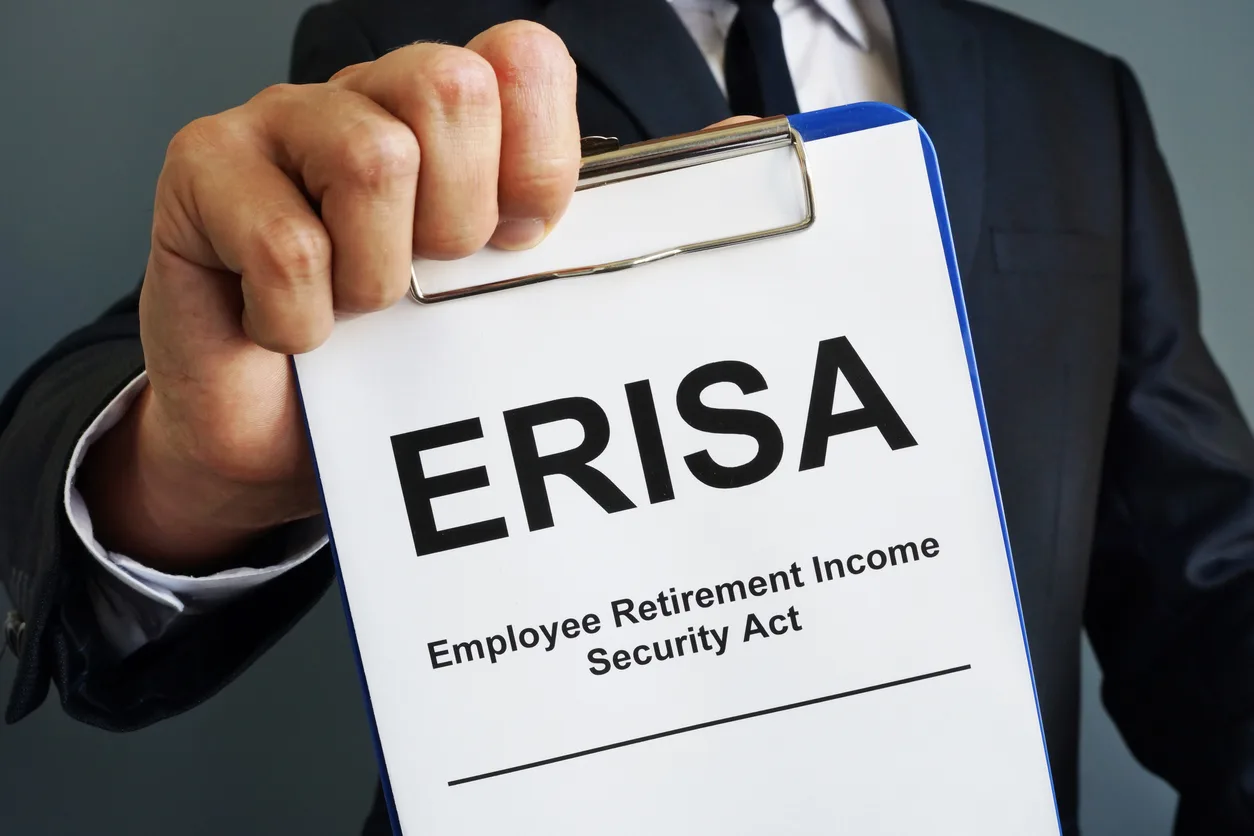
ERISA Plan Documents vs. SPDs
ERISA-covered health and welfare plans must have certain plan documents and provide participants with information about benefits.
Payroll and direct deposit scams continue to rise, and HR teams are often the primary targets.

Payroll and direct deposit scams continue to rise, and HR teams are often the primary targets. Cybercriminals know that HR handles sensitive employee data and processes banking changes, which makes the department a key point of attack. Understanding how these schemes work can help HR administrators prevent fraud before it occurs.
A common tactic involves an attacker posing as an employee and requesting an urgent change to their direct deposit information. The request may come through email, text message or even a spoofed domain that looks identical to your organization’s address. Once the change is processed, the next paycheck is routed to the scammer’s account instead of the employee.
Be alert for these warning signs:
To reduce risk, HR teams should adopt and consistently apply a verification process for payroll and banking changes. Recommended steps include:
Even a single fraudulent change can lead to lost wages for the employee, financial complications for the organization and potential liability concerns. By maintaining careful verification practices and watching for red flags, HR can significantly reduce the risk of payroll fraud.
Benefit Allocation Systems (BAS) provides online solutions for: Employee Benefits Enrollment; COBRA; Flexible Spending Accounts (FSAs); Health Reimbursement Accounts (HRAs); Leave of Absence Premium Billing (LOA); Affordable Care Act Record Keeping, Compliance & IRS Reporting (ACA); Group Insurance Premium Billing; Property & Casualty Premium Billing; and Payroll Integration.
MyEnroll360 integrates with major insurance carriers for enrollment eligibility management (e.g., Blue Cross, Blue Shield, Aetna, United Health Care, Kaiser, CIGNA and others), and with leading payroll platforms for enrollment deduction management (e.g., Workday, ADP, Paylocity, PayCor, UKG, and others).
This article is for informational purposes only and is not intended as legal, tax, or benefits advice. Readers should not rely on this information for taking (or not taking) any action relating to employment, compliance, or benefits. Always consult with a qualified professional before making decisions based on this content.
ERISA-covered health and welfare plans must have certain plan documents and provide participants with information about benefits.

Employers that receive a MLR rebate need to determine how the funds may be used.

The annual VETS-4212 filing period is underway and required reports must be submitted by September 30.