

A Security Checklist for HR Before Open Enrollment Starts
A security review before enrollment begins can help eliminate unnecessary risks.

An employee may not have to be paid for a mid-day office commute under a new DOL Opinion Letter addressing hybrid and remote work arrangements.
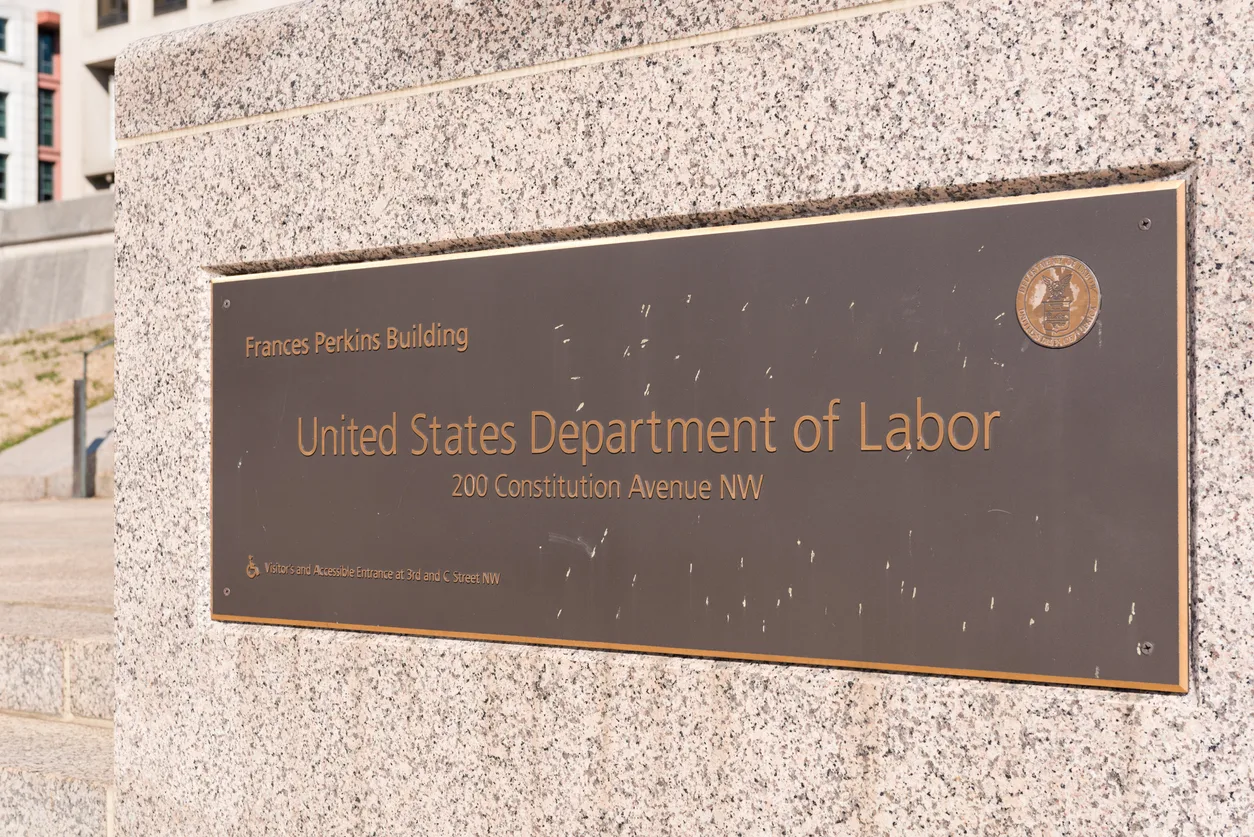
As hybrid and flexible work arrangements continue to evolve, employers often face questions about whether travel between an employee’s home and the office during the workday must be treated as compensable work time. A recent U.S. Department of Labor (DOL) Opinion Letter, U.S. Department of Labor, Wage and Hour Division, Opinion Letter FLSA2026-9 (July 22, 2026), provides helpful guidance on this issue. Although Opinion Letters do not have the force of law, they explain the DOL’s interpretation of the Fair Labor Standards Act (FLSA) and may be relied upon by employers seeking guidance in similar situations.
The Opinion Letter was issued in response to an employer that wanted to provide greater flexibility for non-exempt employees who divide their workday between home and the office. The employer had been reluctant to allow employees to work from both locations on the same day because of concerns that travel between home and the office during the workday might be considered compensable travel time under the FLSA.
The employer presented three examples to the DOL:
In each situation, the employee was fully relieved of work duties during the commute, and the travel was undertaken primarily for the employee’s convenience rather than the employer’s benefit.
After reviewing these scenarios, the DOL concluded that the travel remained an ordinary commute and therefore did not constitute compensable work time under the FLSA. The DOL explained that an ordinary home-to-work commute does not become compensable simply because it occurs in the middle of the workday. According to the Opinion Letter, when employees voluntarily adjust the timing of their commute for personal convenience, the travel continues to primarily benefit the employee rather than the employer.
The Opinion Letter also emphasizes that employers must still compensate employees for all hours actually worked, including work performed at home before or after commuting. In addition, longstanding rules remain unchanged. Travel between job sites during the workday is generally compensable, and time spent performing work while traveling must be counted as hours worked.
This Opinion Letter may provide additional flexibility for employers with hybrid work arrangements by confirming that voluntary mid-day commuting generally can be treated the same as a normal commute, provided employees are not performing work during the trip and the arrangement primarily benefits the employee.
Employers should review their remote work and timekeeping policies to ensure employees accurately record all hours worked, regardless of location. Because travel time rules remain highly fact-specific, employers should evaluate individual circumstances carefully and consult legal counsel when implementing or modifying flexible work arrangements.
Benefit Allocation Systems (BAS) provides online solutions for: Employee Benefits Enrollment; COBRA; Flexible Spending Accounts (FSAs); Health Reimbursement Accounts (HRAs); Leave of Absence Premium Billing (LOA); Affordable Care Act Record Keeping, Compliance & IRS Reporting (ACA); Group Insurance Premium Billing; Property & Casualty Premium Billing; and Payroll Integration.
MyEnroll360 integrates with major insurance carriers for enrollment eligibility management (e.g., Blue Cross, Blue Shield, Aetna, United Health Care, Kaiser, CIGNA and others), and with leading payroll platforms for enrollment deduction management (e.g., Workday, ADP, Paylocity, PayCor, UKG, and others).
This article is for informational purposes only and is not intended as legal, tax, or benefits advice. Readers should not rely on this information for taking (or not taking) any action relating to employment, compliance, or benefits. Always consult with a qualified professional before making decisions based on this content.
A security review before enrollment begins can help eliminate unnecessary risks.

Aging out of health coverage can be a COBRA Qualifying Event.

An employee who has been working full-time moves to a part-time schedule. Should health coverage end when the employee's hours decrease?