
New Plan Year, Old Data: Clean Up Employee Information Before Open Enrollment
A little cleanup before open enrollment can help prevent problems, reduce corrections, and make the transition to the new benefit year smoother.
Recent analysis from the Congressional Research Service (CRS) highlights how paid sick leave continues to evolve across the United States, with growing state-level...
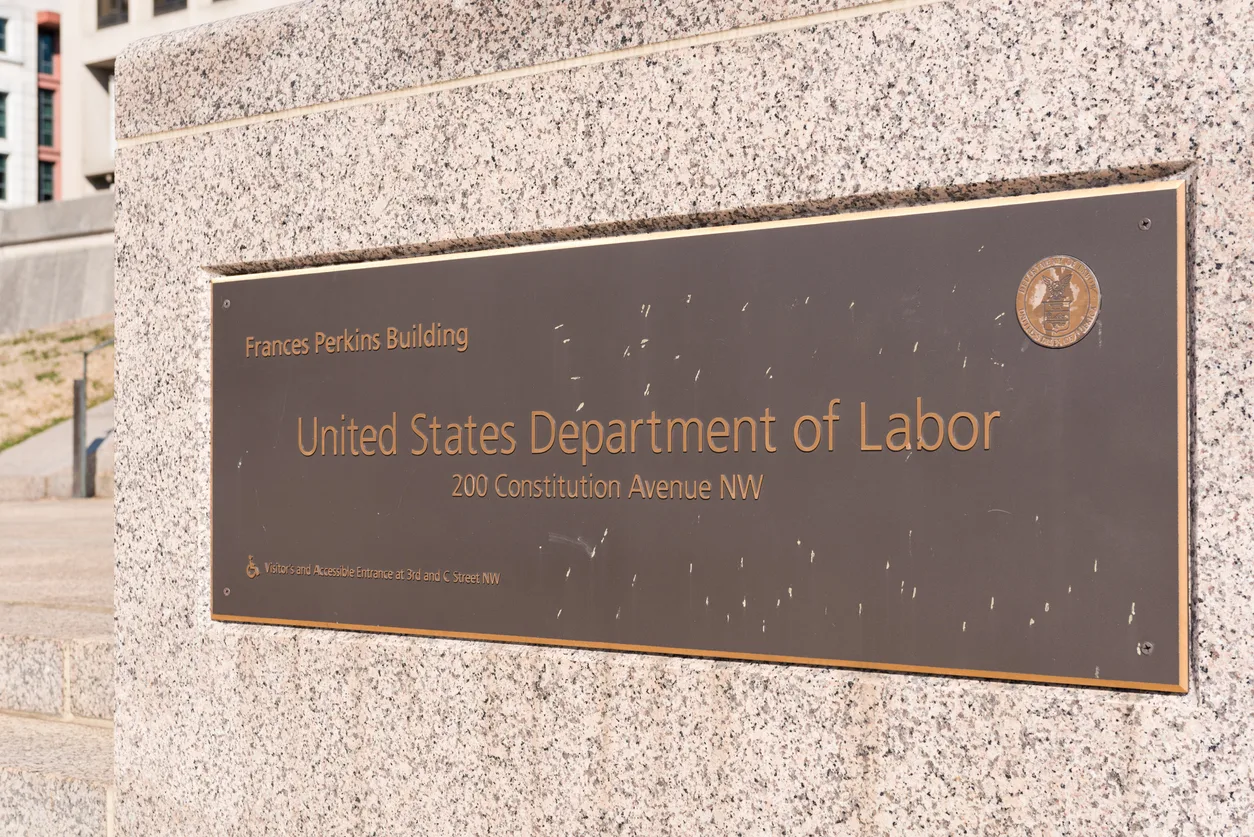
Recent analysis from the Congressional Research Service (CRS) highlights how paid sick leave continues to evolve across the United States, with growing state-level requirements and ongoing federal policy discussions. For employers, this means paid sick leave is no longer just a benefit design decision. It is increasingly a compliance issue that varies by state and workforce.
Paid sick leave allows employees to take time away from work for medical needs while continuing to receive compensation. This typically includes time off for personal illness, medical appointments, preventive care, or caring for a family member. In many states, leave can also be used for issues related to domestic violence or public health concerns.
According to CRS data, about 80% of private sector employees had access to paid sick leave as of 2025. However, access varies significantly depending on industry, wage level, and employer size. Higher-paid and professional employees are more likely to have access, while lower-wage workers are less likely to be covered. Larger employers also tend to offer more robust leave benefits than smaller organizations.
As of 2026, eighteen states and Washington, D.C. require employers to provide paid sick leave, while additional states such as Illinois, Maine, and Nevada require broader earned paid leave that can be used for any purpose. Although these laws share common elements, they differ in important ways that employers must track carefully.
Most state laws require employees to accrue leave over time, often at a rate of one hour for every 30 hours worked. Annual usage limits typically range from 40 to 56 hours, though some states allow higher limits. Employers may impose waiting periods before leave can be used, and many laws require unused time to carry over from year to year, subject to caps.
State requirements also vary based on employer size and location. For example, California allows up to 80 hours of leave per year, New York allows up to 56 hours for larger employers, and Minnesota allows up to 48 hours. Some states also allow leave to be used for any purpose, not just illness, which further complicates compliance for multi-state employers.
Employers should ensure that their sick leave policies clearly define eligibility, accrual methods, permitted uses, and documentation requirements. Policies should also address how sick leave interacts with PTO programs and other leave laws such as FMLA and ADA obligations.
Employers that use point-based or “no-fault” attendance policies should review them carefully. These systems can create compliance issues if they penalize employees for absences that are protected under state sick leave laws or federal requirements such as FMLA. Ensuring that protected leave is properly excluded from attendance tracking is essential.
Research cited by CRS suggests that broader access to paid sick leave can improve employee health, increase use of preventive care, and reduce the spread of illness in the workplace. At the same time, employers must balance these benefits with operational considerations, including managing absences and maintaining productivity.
Employers should review their current policies for compliance in each state where employees are located, ensure consistency between sick leave and attendance policies, and train managers on how to handle leave requests appropriately. Monitoring ongoing legislative developments is also important, as state requirements continue to evolve.
Paid sick leave is no longer a one-size-fits-all benefit. It is a state-driven compliance obligation with meaningful operational implications. Employers that take a proactive approach to policy design and administration will be better positioned to meet legal requirements while supporting their workforce.
Benefit Allocation Systems (BAS) provides online solutions for: Employee Benefits Enrollment; COBRA; Flexible Spending Accounts (FSAs); Health Reimbursement Accounts (HRAs); Leave of Absence Premium Billing (LOA); Affordable Care Act Record Keeping, Compliance & IRS Reporting (ACA); Group Insurance Premium Billing; Property & Casualty Premium Billing; and Payroll Integration.
MyEnroll360 integrates with major insurance carriers for enrollment eligibility management (e.g., Blue Cross, Blue Shield, Aetna, United Health Care, Kaiser, CIGNA and others), and with leading payroll platforms for enrollment deduction management (e.g., Workday, ADP, Paylocity, PayCor, UKG, and others).
This article is for informational purposes only and is not intended as legal, tax, or benefits advice. Readers should not rely on this information for taking (or not taking) any action relating to employment, compliance, or benefits. Always consult with a qualified professional before making decisions based on this content.
A little cleanup before open enrollment can help prevent problems, reduce corrections, and make the transition to the new benefit year smoother.

As employers prepare their health plan offerings for 2027, reviewing employee premium contributions should be an important part of the planning process.

Do we have to give an employee time off to attend their child's school conference?