

Medicare Part D Notices Are Due By October 15
The date for distributing Medicare Part D notices is approaching.

When employees return from leave, careful coordination of benefits, payroll, and eligibility records can help prevent coverage gaps and compliance issues.
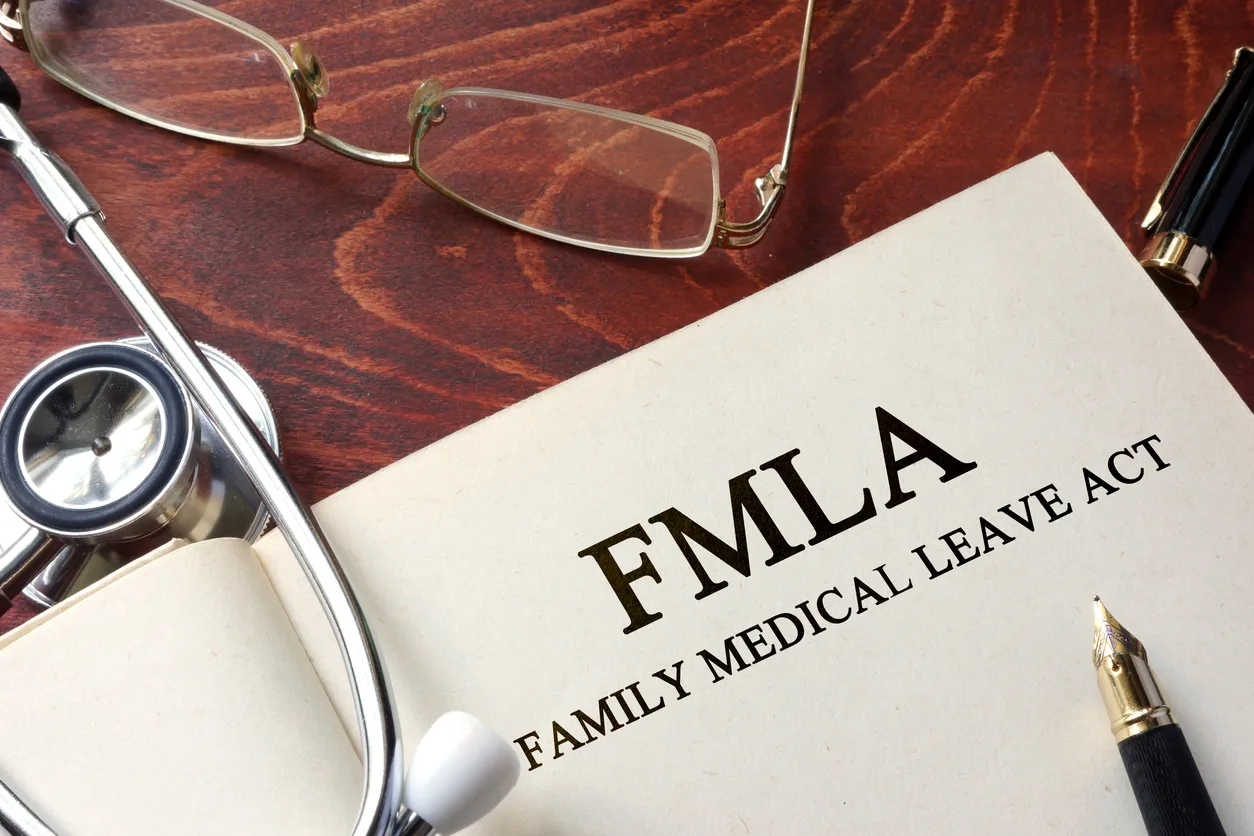
Bringing an employee back to work after a leave of absence often requires more than simply restoring payroll. Whether the leave was protected under the Family and Medical Leave Act (FMLA), taken for personal reasons, or due to another approved absence, HR must ensure benefit elections, payroll deductions, eligibility records, and vendor notifications are updated accurately. A missed step can lead to claim issues, incorrect payroll deductions, or compliance concerns.
Before restoring coverage, verify the employee’s return-to-work date, employment status, scheduled hours, and benefit eligibility. Depending on the type and length of the leave, eligibility rules or waiting period requirements may apply. Taking a few moments to confirm these details can help prevent enrollment errors.
One of the most common administrative mistakes occurs when payroll deductions are not restarted at the appropriate time. HR and payroll should coordinate to ensure benefit deductions resume in the correct payroll cycle and that employee and employer contributions are handled according to plan requirements. This review also provides an opportunity to identify any missed or duplicate deductions before they become larger issues.
Employees returning from leave often require eligibility updates to insurance carriers, COBRA administrators, payroll vendors, or other benefit service providers. Delays in transmitting updated information can result in coverage discrepancies or claim processing issues. Establishing a standard process for communicating return-to-work information helps keep all systems aligned.
For employers subject to the Affordable Care Act’s employer shared responsibility provisions, leaves of absence may affect employee status and reporting. HR should ensure that hours worked, coverage offers, and employee status are accurately reflected in benefits administration systems so year-end ACA reporting remains accurate.
An employee’s personal circumstances may have changed while away from work. Marriage, divorce, the birth or adoption of a child, or the loss of other health coverage may create opportunities to update benefit elections. HR should remind returning employees to report any qualifying life events and complete any required enrollment changes within the applicable timeframes.
Before closing the return-to-work process, review key information in your HR and benefits administration systems, including:
Ensuring these records match across systems helps reduce the risk of future enrollment, billing, or reporting issues.
A standardized return-to-work checklist can help ensure every employee receives consistent treatment and that important administrative steps are not overlooked. Coordinating activities can reduce errors, improve the employee experience, and support ongoing compliance.
A successful return from leave depends on more than getting an employee back to work. Taking the time to review benefits administration, payroll coordination, and eligibility updates helps ensure a smooth transition for both the employee and the organization.
Benefit Allocation Systems (BAS) provides online solutions for: Employee Benefits Enrollment; COBRA; Flexible Spending Accounts (FSAs); Health Reimbursement Accounts (HRAs); Leave of Absence Premium Billing (LOA); Affordable Care Act Record Keeping, Compliance & IRS Reporting (ACA); Group Insurance Premium Billing; Property & Casualty Premium Billing; and Payroll Integration.
MyEnroll360 integrates with major insurance carriers for enrollment eligibility management (e.g., Blue Cross, Blue Shield, Aetna, United Health Care, Kaiser, CIGNA and others), and with leading payroll platforms for enrollment deduction management (e.g., Workday, ADP, Paylocity, PayCor, UKG, and others).
This article is for informational purposes only and is not intended as legal, tax, or benefits advice. Readers should not rely on this information for taking (or not taking) any action relating to employment, compliance, or benefits. Always consult with a qualified professional before making decisions based on this content.
The date for distributing Medicare Part D notices is approaching.
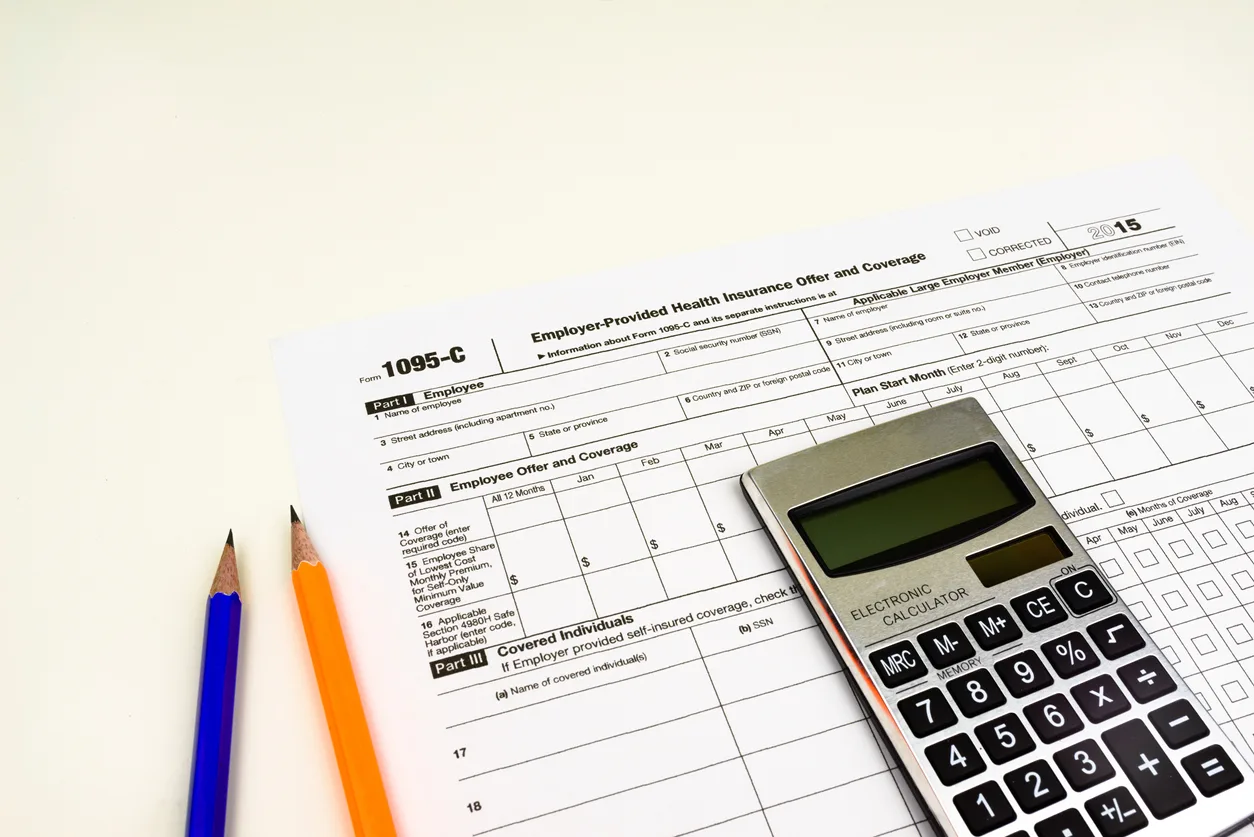
For employers with multiple related companies, understanding how the ACA treats employees who move between entities is important for accurate eligibility and reporting.

Employers should avoid making eligibility decisions based solely on the employee's relationship to the individual.