
New Plan Year, Old Data: Clean Up Employee Information Before Open Enrollment
A little cleanup before open enrollment can help prevent problems, reduce corrections, and make the transition to the new benefit year smoother.

The IRS has released a draft of the 2026 Form 1095-C with few substantive changes from 2025, giving employers an early look and a timely reminder to review ACA reporting processes.
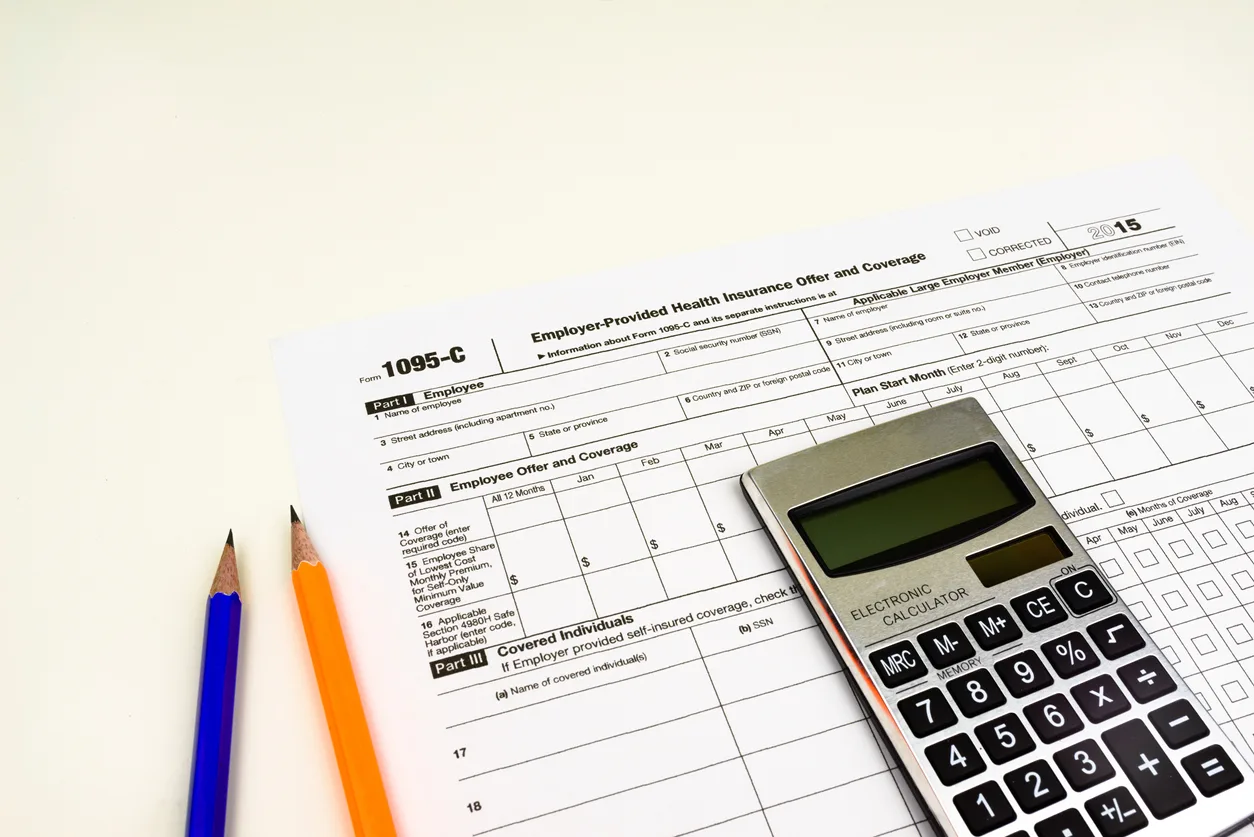
The IRS has released a draft version of the 2026 Form 1095-C, providing employers and ACA reporting vendors with an early look at next year’s reporting requirements. For most employers, the draft form will look familiar—it contains few substantive changes from the version used for 2025 reporting.
Form 1095-C is used by applicable large employers (ALEs) to report offers of health coverage to full-time employees and to help the IRS administer the Affordable Care Act’s employer shared responsibility provisions. Employees may also use information reported on the form when determining eligibility for premium tax credits through the Health Insurance Marketplace.
The draft form continues to include all existing ACA offer-of-coverage codes on Line 14, including codes associated with Individual Coverage Health Reimbursement Arrangements (ICHRAs). These codes address affordability determinations based on an employee’s residence ZIP code or primary worksite ZIP code. Several reporting codes remain reserved for future use, suggesting no significant coding changes are expected for 2026.
Although the form itself appears largely unchanged, the release of the draft is a timely opportunity for HR and benefits teams to review their ACA reporting processes:
Recent increases to employer shared responsibility penalties mean that inaccurate reporting, coding errors, or eligibility tracking mistakes can become increasingly costly. Maintaining accurate employee records and ACA-compliant processes remains important regardless of how much the form changes year to year.
BAS provides ACA Data Collection and Reporting services to help employers track eligibility, document coverage offers, and meet annual filing requirements accurately. For more information, contact your account manager or reach BAS at solutions@basusa.com.
Benefit Allocation Systems (BAS) provides online solutions for: Employee Benefits Enrollment; COBRA; Flexible Spending Accounts (FSAs); Health Reimbursement Accounts (HRAs); Leave of Absence Premium Billing (LOA); Affordable Care Act Record Keeping, Compliance & IRS Reporting (ACA); Group Insurance Premium Billing; Property & Casualty Premium Billing; and Payroll Integration.
MyEnroll360 integrates with major insurance carriers for enrollment eligibility management (e.g., Blue Cross, Blue Shield, Aetna, United Health Care, Kaiser, CIGNA and others), and with leading payroll platforms for enrollment deduction management (e.g., Workday, ADP, Paylocity, PayCor, UKG, and others).
This article is for informational purposes only and is not intended as legal, tax, or benefits advice. Readers should not rely on this information for taking (or not taking) any action relating to employment, compliance, or benefits. Always consult with a qualified professional before making decisions based on this content.
A little cleanup before open enrollment can help prevent problems, reduce corrections, and make the transition to the new benefit year smoother.

As employers prepare their health plan offerings for 2027, reviewing employee premium contributions should be an important part of the planning process.

Benefits adjustments can create financial, operational, and compliance challenges.