
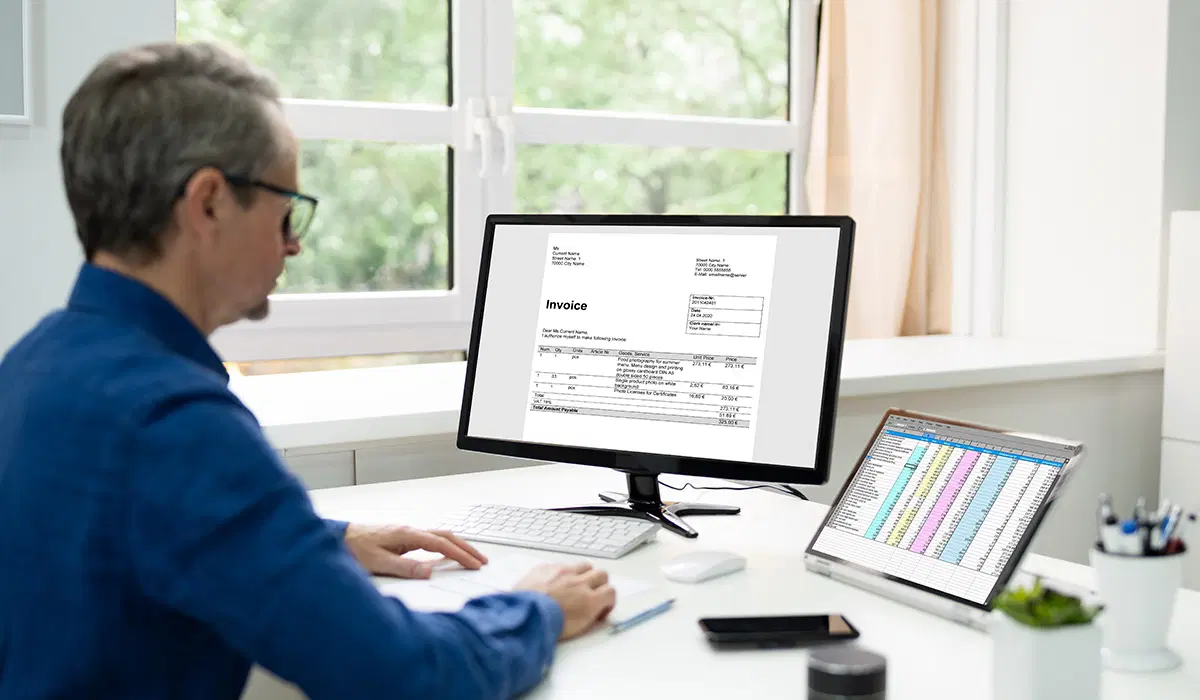
ACA Compliance When Employees Decline Health Coverage
Does an employee's decision to waive coverage affect the employer's obligations under the ACA?

Personal information changes may create security risks if the person requesting the change is not properly verified.
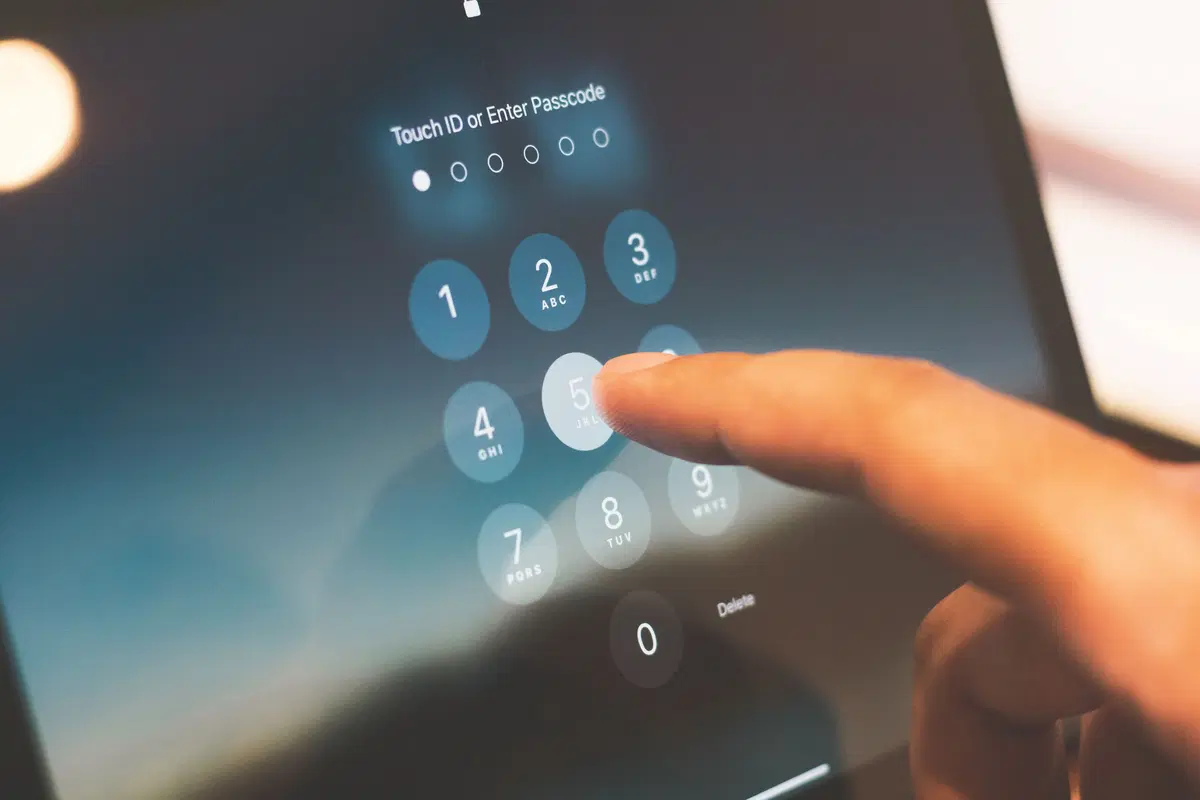
HR departments routinely receive requests from employees to update personal information, including mailing addresses, email addresses, phone numbers, and other contact details. While these changes may seem like simple administrative tasks, they can create security risks if the person requesting the change is not properly verified.
Cybercriminals increasingly target employee accounts and personal information. A fraudulent request to change an email address or phone number may be an attempt to gain control of an employee’s account, intercept confidential communications, or redirect future password reset and authentication messages.
Employers need procedures that make legitimate updates convenient while protecting employee information from unauthorized changes.
Not all employee information changes carry the same level of risk.
Updating a mailing address may primarily affect where employment or benefits communications are delivered. Changing an email address or phone number, however, may affect how an employee accesses HR, payroll, or benefits systems.
Many online platforms use email addresses or phone numbers to verify identities, reset passwords, or deliver multifactor authentication (MFA) codes. If a criminal successfully changes this information, they may be able to intercept security messages or gain unauthorized access to an employee’s account.
For this reason, employers should consider the potential consequences of a requested change when determining how much verification is appropriate.
A request that appears to come from an employee is not necessarily legitimate. Email accounts can be compromised, phone numbers can be spoofed, and criminals may possess enough personal information to impersonate an employee convincingly.
For example, HR may receive an email from an employee’s account requesting that their personal email address be changed immediately. Even if the message contains the employee’s name, department, and other familiar details, those facts alone do not establish that the employee authorized the request.
Employers should avoid relying exclusively on the email address, caller ID, or personal details supplied in the request.
Instead, employees should be directed to established, secure procedures for updating their information.
Employers should establish consistent verification requirements based on the type of information being changed.
Recommended practices include:
Employers should also establish procedures for situations where employees no longer have access to their registered email address or phone number. These requests may be legitimate, but they should follow an approved alternative verification process rather than bypassing security requirements.
Certain circumstances should prompt additional scrutiny. These include requests involving multiple changes at once, urgent demands to bypass normal procedures, or requests to send confidential records to a newly provided email address.
For example, an employee requesting a new phone number and an immediate password reset may have a legitimate reason. However, because these changes could affect account access, HR should verify the employee’s identity before proceeding.
Employees responsible for processing changes should know when to refer a request to IT, information security, or management for additional review.
Verification procedures should protect employee information without creating unnecessary obstacles for routine updates. Clear instructions, secure self-service options, and consistent procedures can help employees make changes efficiently while reducing opportunities for fraud.
A request to update personal information may seem routine, but some changes can affect much more than an employee’s contact record. Email addresses, phone numbers, and other identifying information may also serve as gateways to sensitive payroll and benefits accounts.
By using secure self-service tools, applying risk-based verification procedures, and independently confirming sensitive requests, employers can reduce the risk of unauthorized account changes while continuing to provide efficient employee service.
BAS’ MyEnroll360 platform provides secure employee self-service capabilities that help organizations manage benefits information while supporting controlled access to sensitive employee records. Employers should ensure that their internal verification procedures complement the security controls used by their HR, payroll, and benefits administration systems.
Benefit Allocation Systems (BAS) provides online solutions for: Employee Benefits Enrollment; COBRA; Flexible Spending Accounts (FSAs); Health Reimbursement Accounts (HRAs); Leave of Absence Premium Billing (LOA); Affordable Care Act Record Keeping, Compliance & IRS Reporting (ACA); Group Insurance Premium Billing; Property & Casualty Premium Billing; and Payroll Integration.
MyEnroll360 integrates with major insurance carriers for enrollment eligibility management (e.g., Blue Cross, Blue Shield, Aetna, United Health Care, Kaiser, CIGNA and others), and with leading payroll platforms for enrollment deduction management (e.g., Workday, ADP, Paylocity, PayCor, UKG, and others).
This article is for informational purposes only and is not intended as legal, tax, or benefits advice. Readers should not rely on this information for taking (or not taking) any action relating to employment, compliance, or benefits. Always consult with a qualified professional before making decisions based on this content.
Does an employee's decision to waive coverage affect the employer's obligations under the ACA?

Changing carriers requires coordination of enrollment information, coverage dates, payroll deductions, billing, and employee communications.

BAS combines its proprietary MyEnroll360 technology with experienced benefits administration professionals to help employers streamline responsibilities, maintain accurate information, and reduce the administrative burden on HR teams.