
Expense Not Covered by the Health Plan
Can a Health FSA reimburse an expense that insurance doesn't cover?
The IRS announced inflation adjustments to employee benefit plan limits for tax years beginning in 2025.
The IRS has announced its annual inflation adjustments for various employee benefit plan limits, effective for taxable years beginning in 2025. HR professionals should be aware of these updates to ensure compliance and help employees maximize their benefits. Below is a summary of the key changes:
For 2025, the dollar limit on voluntary employee salary reductions for contributions to health flexible spending arrangements (FSAs) has increased to $3,300, up from $3,200 in 2024. If the cafeteria plan allows for the carryover of unused amounts, the maximum carryover amount for 2025 is $660, an increase from $640 in 2024. The dependent day care FSA limits remain unchanged at $5,000 ($2,500 for married individuals filing separately).
For taxable years starting in 2025, the monthly limit on the exclusion for qualified transportation benefits has been adjusted:
For 2025 the amount an employee can exclude from gross income for the adoption of a child with special needs is $17,280 (up from $16,810 in 2024). The maximum exclusion for expenses incurred by an employer for qualified adoption expenses under an adoption assistance program is also $17,280.
Additionally, the exclusion begins to phase out for taxpayers with a modified adjusted gross income exceeding $259,190, with the exclusion completely phasing out at $299,190 or more.
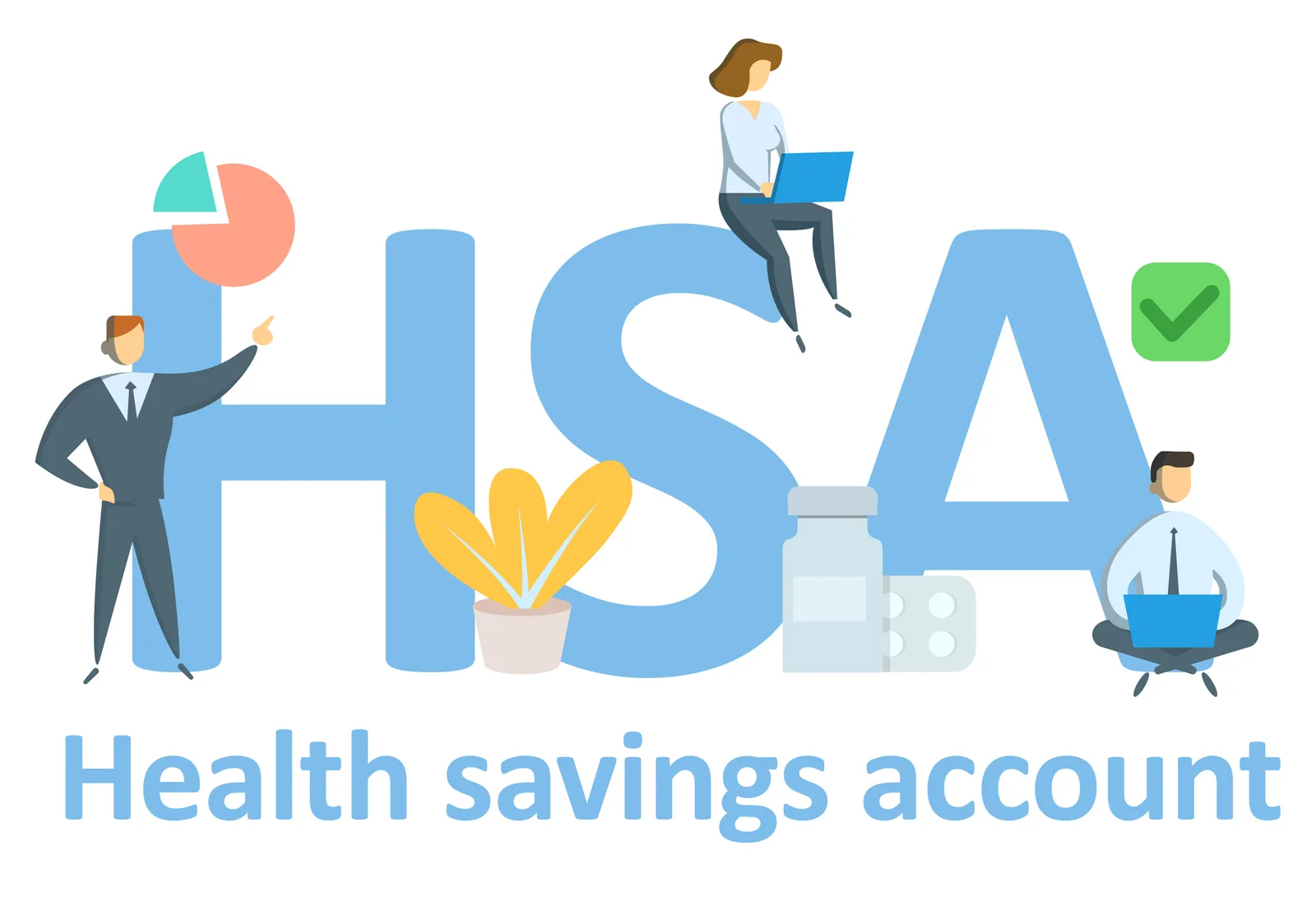
For 2025, the IRS has updated the definitions for high-deductible health plans (HDHPs) under
Medical Savings Accounts:
For 2025, to qualify as a QSEHRA, the annual limit on payments and reimbursements is $6,350 for self-only coverage and $12,800 for family coverage. These limits represent a slight decrease from the 2024 limits of $6,150 and $12,450, respectively.
These updates reflect the annual inflation adjustments and should be reviewed by HR professionals to ensure that benefit plan offerings comply with IRS regulations and that employees are informed of the updated limits for 2025.
Benefit Allocation Systems (BAS) provides online solutions for: Employee Benefits Enrollment; COBRA; Flexible Spending Accounts (FSAs); Health Reimbursement Accounts (HRAs); Leave of Absence Premium Billing (LOA); Affordable Care Act Record Keeping, Compliance & IRS Reporting (ACA); Group Insurance Premium Billing; Property & Casualty Premium Billing; and Payroll Integration.
MyEnroll360 integrates with major insurance carriers for enrollment eligibility management (e.g., Blue Cross, Blue Shield, Aetna, United Health Care, Kaiser, CIGNA and others), and with leading payroll platforms for enrollment deduction management (e.g., Workday, ADP, Paylocity, PayCor, UKG, and others).
This article is for informational purposes only and is not intended as legal, tax, or benefits advice. Readers should not rely on this information for taking (or not taking) any action relating to employment, compliance, or benefits. Always consult with a qualified professional before making decisions based on this content.
Can a Health FSA reimburse an expense that insurance doesn't cover?

Can I use my Dependent Care FSA to pay a babysitter while I attend Back-to-School Night?

Can I use my Dependent Care FSA to pay for private school tuition?